
Liver Disease Care in Burton, MI
Liver disease is a serious illness that requires immediate attention from a doctor. If you believe that you are experiencing problems with your liver, speak to a gastroenterologist today. An experienced gastroenterologist will be able to diagnose the issue and recommend the right course of action to treat your liver disease. If you live in Burton, MI and need an experienced doctor to examine and diagnose your liver problem, come see us at Digestive Diseases and Nutrition Center.
If you have liver disease, you need the help of a specialist to manage and treat the condition. The right treatment, dietary modifications, and lifestyle changes can make all the difference in how you feel.
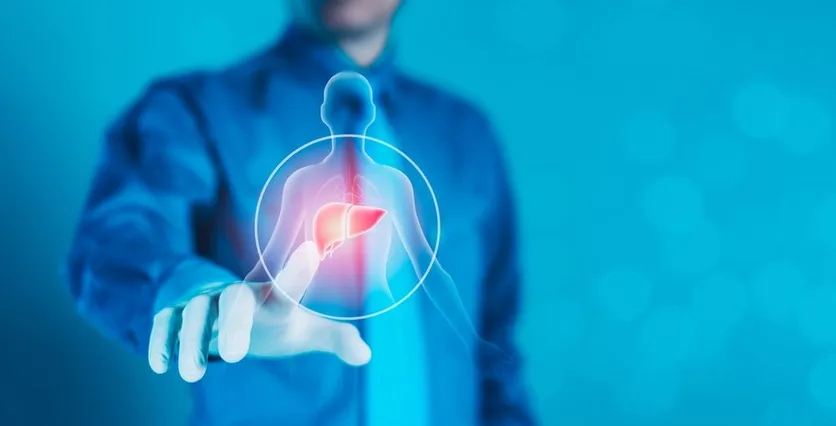
How Liver Disease Impacts Your Body
Your liver is a vital organ that processes and eliminates toxins and wastes from your body, allowing you to stay healthy. When you have liver disease, your liver function is compromised. Poor liver function allows waste materials to build up in your body, causing liver damage, liver scarring, and impairment of other vital organs. That’s why it’s important to have a specialist diagnose the problem before recommending treatment.
What Causes Liver Disease?
Liver disease can be caused by:
- Genetic factors
- Exposure to a virus
- Drinking excessive amounts of alcohol
- Having a harmful reaction to a drug
- Eating a poor diet and being overweight
- An autoimmune disorder
Signs and Symptoms of Liver Disease
You can have liver disease and not experience any signs or symptoms. If you do experience signs and symptoms, some of the most common ones include:
- Jaundice
- Diarrhea
- Abdominal bloating
- Weakness and fatigue
- Poor appetite and weight loss
- Swelling and edema in your extremities
- Mental impairment
- Physical impairment
How Proper Diet and Nutrition Can Help Manage Liver Disease
Eating and avoiding certain foods is critical in the management of liver disease. Generally, a Mediterranean diet is best. According to the National Institutes of Health or NIH, you should:
- Eat a diet rich in fruits and vegetables for extra fiber, to help eliminate waste products
- Avoid alcoholic beverages
- Avoid eating uncooked shellfish
- Take vitamins, supplements, and medicines prescribed by your doctor, to help manage liver disease symptoms and nutrient deficiencies
- Limit your salt intake to reduce swelling and other issues associated with liver disease
- Reduce animal protein, especially red meats, to limit toxic waste buildup
The Importance of Liver Disease and Nutrition
Your liver is a vital organ and therefore any malfunction will impact your overall health and the other organ systems in your body. Your liver filters essential nutrients and turns them into chemical compounds your body needs to function. It also filters out toxic material and helps turn nutrients into energy. Therefore, if your liver isn’t working, the rest of your body will suffer.
When it comes to treatment, there is no one size fits all approach to liver disease. But some simple ways to improve the general health of your liver include minimizing alcohol intake, daily exercise, and avoiding certain foods such as red meats, trans fats, and processed carbohydrates. If you’ve tried these simple remedies and you still believe that there is something wrong with your liver, you need to schedule an appointment with a specialist. An experienced gastroenterologist will be able to tell you whether your issues require a simple lifestyle change or medical treatment such as medication or surgery.